













Pedaling Through Pain: How Chiropractors Can Help Cyclists Overcome Knee Issues
Cycling is a fantastic way to stay fit, commute sustainably, and enjoy the outdoors—but it can come with its own set of physical challenges. One of the most common complaints among cyclists is knee pain, which can quickly derail even the most dedicated rider’s routine. Whether you’re a weekend warrior or a competitive cyclist, knee discomfort can interfere with performance and cause long-term damage if left untreated.
Common Causes of Knee Pain in Cyclists
Knee pain from cycling often stems from a few key factors:
-
Poor bike fit: Incorrect saddle height, pedal position, or handlebar alignment can put excessive strain on the knees.
-
Overuse injuries: Repetitive motion without adequate rest can cause inflammation in tendons and joints.
-
Muscle imbalances: Tight hip flexors, weak glutes, or misaligned pelvis can cause poor tracking of the kneecap.
-
Incorrect pedaling technique: Poor form can lead to uneven stress distribution on the knee joint.
How Chiropractic Care Can Help
Chiropractors take a whole-body approach to treating pain. Rather than focusing only on the knee, they examine how your entire musculoskeletal system functions together. Here’s how chiropractic care can help cyclists with knee pain:
1. Assessment and Diagnosis
A chiropractor will perform a thorough assessment to identify the root cause of your knee pain. This may include evaluating your gait, range of motion, posture, and spinal alignment.
2. Spinal and Joint Adjustments
Misalignments in the spine, pelvis, or lower limbs can contribute to poor biomechanics, which in turn causes knee stress. Gentle chiropractic adjustments help restore proper alignment, reducing pressure on the knees.
3. Muscle Release and Soft Tissue Therapy
Tight muscles and fascia around the hip, thigh, and knee can affect joint movement. Chiropractors often use techniques such as Active Release Therapy (ART) or instrument-assisted soft tissue mobilization to ease tension and improve mobility.
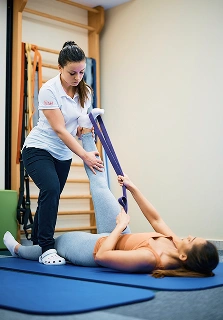
4. Corrective Exercises
Rehabilitation exercises tailored to your specific needs can strengthen weak muscles, improve flexibility, and enhance stability. Chiropractors may guide you through stretches and strengthening routines designed to protect your knees during cycling.
5. Bike Fit Guidance
Some chiropractors with sports training can offer advice on proper bike ergonomics, including saddle height, cleat alignment, and pedal technique. A better-fitting bike means less strain on your knees.
Ride Pain-Free Again
Knee pain doesn’t have to be part of your cycling journey. With proper diagnosis, hands-on treatment, and a personalized recovery plan, chiropractic care can help you get back on the road stronger and more comfortable than before. Whether you’re nursing a nagging ache or recovering from a more serious issue, a chiropractor can be a valuable member of your cycling support team.